Abstract 3D Geometric Digital Paper
In the rapidly evolving landscape of digital design, visual texture plays a pivotal role in capturing attention and conveying depth. Whether you are a seasoned graphic designer, a hobbyist scrapbooker, or a small business owner crafting marketing materials, the right background can transform a flat layout into an immersive experience. This is where Abstract 3D Geometric Digital Paper enters the creative workflow. By merging the precision of geometric structures with the organic allure of floral-inspired textures, these digital assets offer a sophisticated layer of complexity that standard solid colors or simple gradients cannot achieve.
The collection described here is not merely a set of images; it is a toolkit for enhancing creative projects. These papers are inspired by classic floral patterns but reimagined through a modern, three-dimensional lens. The result is a unique aesthetic that feels both timeless and contemporary. For creators looking to elevate their work, understanding how to leverage these high-resolution assets can significantly improve the perceived quality of their output, from digital presentations to physical prints.
Understanding the Visual Language of 3D Geometric Textures
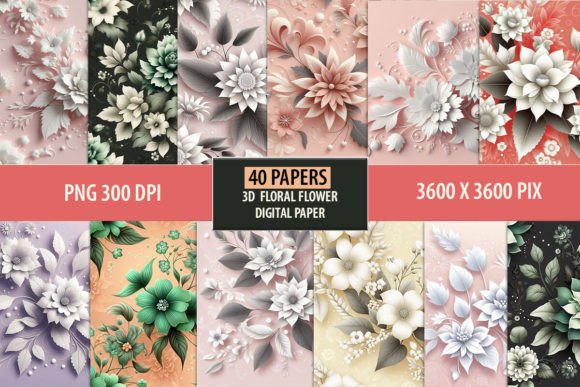
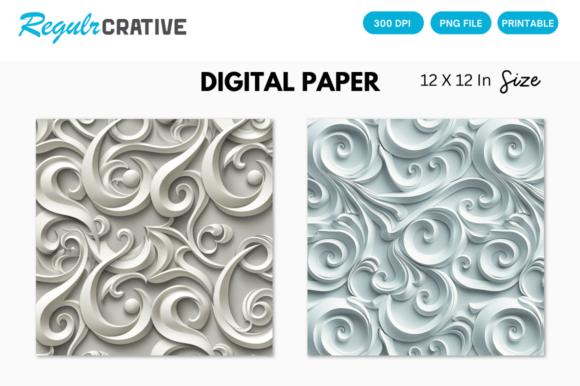
To appreciate the utility of this collection, it helps to understand what makes these designs distinct. Traditional geometric backgrounds often rely on rigid lines and flat shapes, which can sometimes feel sterile or overly corporate. In contrast, abstract 3D geometric digital paper introduces volume, shadow, and light. The "floral" inspiration mentioned in the product description suggests that these geometric forms may be arranged in organic, flowing compositions rather than strict grids. This blend creates a visual rhythm that is engaging without being overwhelming.
For professionals in marketing and branding, this subtlety is crucial. A brand identity needs to stand out, but it also needs to remain legible. Using a high-quality 3D seamless texture as a background allows text and primary graphics to pop while adding a layer of premium feel to the overall composition. It signals attention to detail—a trait that resonates with consumers who value quality craftsmanship.
Technical Specifications and Practical Application
One of the most critical aspects of any digital asset is its technical integrity. Low-resolution images pixelate when scaled, ruining the professional appearance of a project. This collection addresses that concern directly by providing files at 300 DPI (dots per inch). In the world of print production, 300 DPI is the gold standard for crisp, clear output. This means that whether you are printing a single greeting card or a large-format banner, the edges of the geometric shapes will remain sharp and defined.
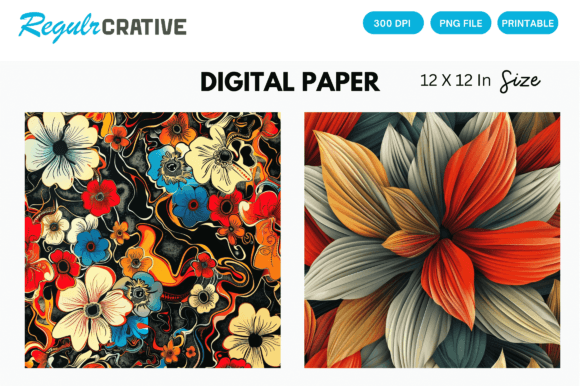
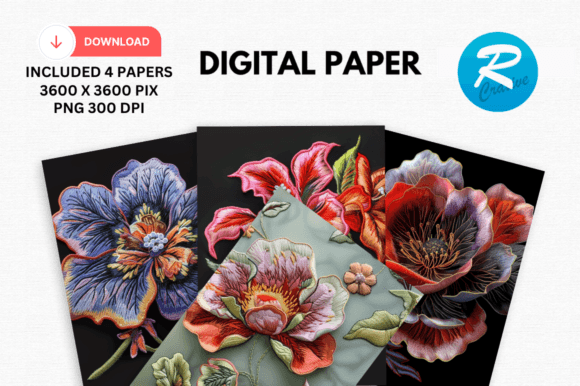
- Dimensions: Each sheet measures 12″x12″ (3600×3600 pixels). This square format is industry-standard for digital scrapbooking and many social media graphics, ensuring compatibility with most design software without requiring complex cropping or resizing.
- File Format: Delivered in PNG format, these files support transparency if needed, though they are primarily designed as solid background layers. PNG ensures lossless compression, preserving the intricate details of the 3D shading and texture.
- Licensing: The inclusion of both personal and commercial use rights expands the utility of these papers significantly. Freelancers and agencies can integrate these designs into client deliverables, such as website headers, e-book covers, or packaging mockups, without worrying about licensing violations.
Enhancing Specific Creative Workflows
The versatility of Abstract 3D Geometric Digital Paper allows it to fit seamlessly into various creative disciplines. Here is how different user groups can derive tangible value from this collection.
Digital Scrapbooking and Card Making
For crafters, the tactile nature of paper is central to the hobby. Even when working digitally, the desire for realistic textures remains strong. These papers mimic the look of embossed or textured cardstock. When used in digital scrapbooking layouts, they provide a rich backdrop that complements photos without competing for attention. The 12×12 inch dimension aligns perfectly with standard digital scrapbook page sizes, making it easy to drag and drop elements. Furthermore, because the resolution is high enough for print, users can order physical copies of their digital cards or albums with confidence, knowing the fine details of the geometric-floral hybrid pattern will reproduce accurately.
Web Design and Digital Marketing
In the digital space, load times and visual appeal must be balanced. While PNG files can be larger than JPEGs, the semantic clarity of a well-designed background reduces the need for excessive graphical overlays. A designer can use one of these seamless 3D pattern backgrounds as a hero section backdrop for a landing page. The "seamless" nature of the design ensures that the pattern repeats flawlessly across different screen widths, maintaining visual consistency. For bloggers and content creators, using these textures in featured images or sidebar widgets adds a layer of professionalism that distinguishes their site from generic templates.
Presentation and Educational Materials
Educators and corporate trainers often struggle with slides that feel dry or uninspiring. Incorporating subtle 3D geometric textures into slide backgrounds can help break up monotony and guide the viewer’s eye. Because the patterns are abstract, they do not distract from the core message. Instead, they provide a structured environment that makes bullet points and data visualizations easier to read. The modern aesthetic of the 3D effect keeps educational materials feeling fresh and relevant, which is particularly important for engaging younger audiences or tech-savvy professionals.
Considerations for Optimal Use
While these digital papers offer numerous benefits, successful integration requires thoughtful application. The key challenge with textured backgrounds is ensuring sufficient contrast for foreground elements. If the geometric pattern is highly detailed or has high-contrast shadows, placing white text directly over it may reduce readability. To mitigate this, designers should consider adding a semi-transparent overlay between the background paper and the text layer. Alternatively, choosing areas of the pattern that are naturally lighter or less dense for text placement can maintain accessibility standards.
Additionally, while the floral inspiration adds warmth, the geometric structure provides stability. Users should ensure that the final design reflects this balance. Overusing multiple complex patterns from different collections can lead to visual clutter. It is often more effective to let one strong background anchor the design and keep other elements minimal. This approach highlights the sophistication of the Abstract 3D Geometric Digital Paper rather than burying it under competing visuals.
Conclusion
The demand for high-quality, versatile design assets continues to grow as content creation becomes more accessible to a broader audience. Abstract 3D Geometric Digital Paper meets this demand by offering a product that is technically robust, aesthetically pleasing, and commercially viable. Whether you are enhancing a personal scrapbook album, designing a commercial brochure, or building a website, these papers provide a foundation of quality that supports your creative vision. By leveraging the combination of 3D depth, geometric precision, and floral elegance, creators can produce work that is not only visually striking but also professionally polished.